
What are Kidney Stones?
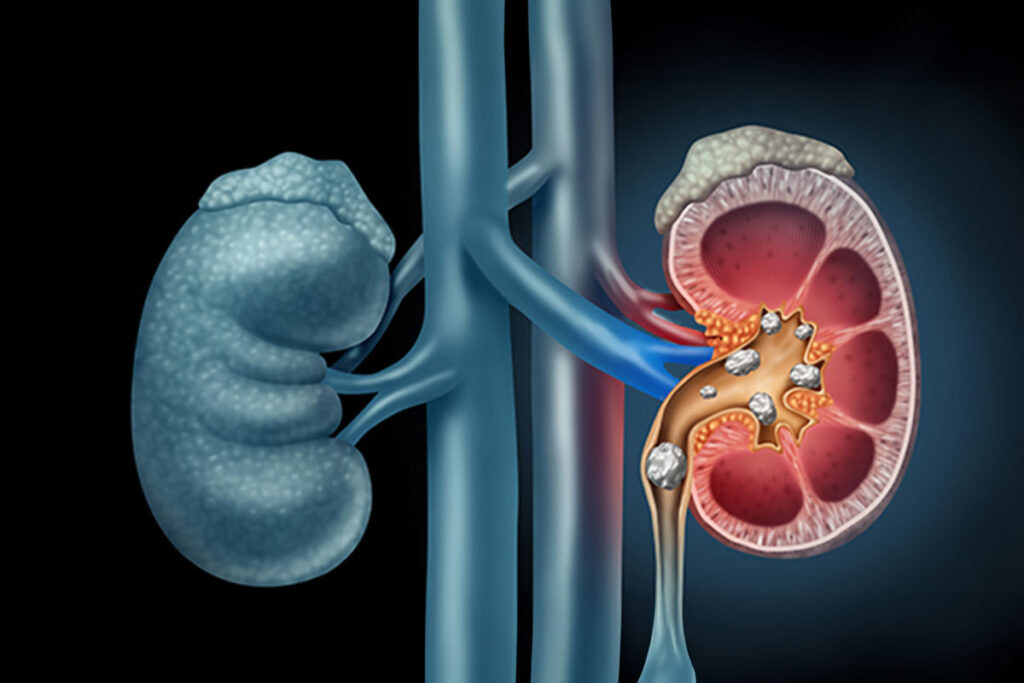
Kidney stones are small, hard deposits made of minerals and salts that form inside the kidneys. They have many causes and can affect any part of the urinary tract, from the kidneys to the bladder. Often, stones form when the urine becomes concentrated, allowing minerals to crystallize and stick together.
Types of Kidney Stones
There are several types of kidney stones:
- Calcium stones: These are the most common type. They are usually made of calcium oxalate (though they can be made of other calcium compounds, like maleate or phosphate).
- Uric acid stones: These form when urine is too acidic. They can form by themselves or with calcium stones.
- Struvite stones: These can form after a urinary tract infection. They can grow quickly and become quite large.
- Cystine stones: These are rare and occur in people with a genetic disorder that causes the kidneys to excrete too much of an amino acid called cystinuria.
How Do Kidney Stones Form?
Kidney stones form when certain chemicals become concentrated enough in the urine to form crystals. These crystals grow into larger masses (stones), which can make their way through the urinary tract. If the stone gets stuck somewhere and blocks the flow of urine, it causes pain.
Common Causes of Kidney Stones
Several factors can increase your risk of developing kidney stones:
- Dehydration: Not drinking enough water is a significant risk factor. Water helps dilute the substances in urine that lead to stones.
- Diet: Eating a diet that’s high in protein, sodium (salt), and sugar may increase your risk of some types of kidney stones. This is especially true with a high-sodium diet. Too much salt in your diet increases the amount of calcium your kidneys must filter and significantly raises your risk of kidney stones.
- Genetics: Kidney stones can run in families. If someone in your family has had kidney stones, you may be more likely to develop them.
- Certain Medical Conditions: Some conditions can increase your risk, such as obesity, digestive diseases, and other conditions that affect how your body absorbs or excretes calcium and other substances.
Prevalence and Symptoms
Kidney stones are quite common. They affect about 1 in 10 people at some point in their lives. Men are more likely to develop kidney stones than women.
Who Is at Risk?
Several factors can increase your risk of developing kidney stones:
- Age: Kidney stones are most common in people aged 30 to 50.
- Lifestyle Factors: A diet high in protein, salt, and sugar can increase your risk. Not drinking enough water also raises your risk.
- Gender: Men are more likely to develop kidney stones than women.
Common Symptoms
Kidney stones may not cause symptoms until they move around within your kidney or pass into your ureters — the tubes connecting the kidneys and bladder. If a stone gets stuck in the ureters, it can block the flow of urine and cause the kidney to swell and the ureter to spasm, which can be very painful. At that point, you may experience these signs and symptoms:
- Severe pain in the side and back, below the ribs
- Pain that radiates to the lower abdomen and groin
- Pain that comes in waves and fluctuates in intensity
- Pain on urination
- Pink, red, or brown urine
- Cloudy or foul-smelling urine
- Nausea and vomiting
- Persistent need to urinate
- Urinating more often than usual
- Fever and chills if an infection is present
- Urinating small amounts
Conventional Treatment vs. Ayurvedic Approach
Conventional Treatment
Conventional treatments for kidney stones often involve:
- Surgery: In some cases, surgery may be needed to remove huge stones or stones that are causing severe symptoms.
- Medications: Doctors may prescribe medications to help pass kidney stones or to prevent new stones from forming.
- Lithotripsy: This procedure uses shock waves to break up stones into smaller pieces that can be passed more easily.
Why Ayurveda for Kidney Stones?
Ayurveda offers a holistic approach to treating kidney stones. Instead of just focusing on the symptoms, it aims to treat the root cause of the problem, which can help prevent kidney stones from coming back.
Benefits of Ayurvedic Treatments
Ayurvedic treatments have several benefits:
- Fewer Side Effects: Because Ayurveda uses natural remedies, there are usually fewer side effects compared to conventional treatments.
- Natural Healing: Ayurveda promotes the body’s natural ability to heal itself. This can lead to long-term health benefits.
Ayurvedic View on Kidney Stones: Causes and Imbalances
Role of Doshas in Kidney Stones
In Ayurveda, the body is governed by three doshas: Vata, Pitta, and Kapha. An imbalance in these doshas can lead to health problems, including kidney stones.
- Vata Imbalance: This can cause dryness and dehydration, which can contribute to the formation of kidney stones.
- Pitta Imbalance: Excess heat in the body can lead to inflammation and the formation of stones.
- Kapha Imbalance: This can cause excess mucus and fluid retention, which can also contribute to kidney stones.
Ayurvedic Perspective on Kidney Health
Ayurveda emphasizes the importance of balancing digestion, elimination, and hydration for good kidney health. This helps to prevent the buildup of toxins and minerals that can lead to kidney stones.
Ayurvedic Remedies for Kidney Stones
Herbal Treatments
Several herbs are commonly used in Ayurveda to treat kidney stones:
- Punarnava: This herb helps to reduce inflammation and pain. It also has diuretic properties, which can help flush out kidney stones.
- Gokshura: This herb is known for breaking down kidney stones and easing pain. It also supports overall kidney health.
- Chandraprabha Vati: This is a traditional Ayurvedic medicine that helps to dissolve kidney stones and improve kidney function.
Dietary Recommendations
Certain foods can help prevent and dissolve kidney stones:
- Lemon Juice: Drinking lemon juice mixed with water can help to dissolve kidney stones and prevent new ones from forming.
- Watermelon: This fruit is high in water and helps to flush out toxins from the kidneys.
- Coconut Water: It is a natural diuretic and helps to keep the kidneys hydrated.
Foods to Avoid
Some foods can increase the risk of kidney stones and should be avoided:
- Excessive Salt: Too much salt can increase the amount of calcium in the urine, leading to stones.
- Animal Protein: A diet high in animal protein can increase the risk of uric acid stones.
Ayurvedic Preparations and Supplements
Several Ayurvedic supplements can support kidney health:
- Varunadi Vati: This supplement helps to dissolve kidney stones and improve kidney function.
- Gokshuradi Guggulu: This is a traditional Ayurvedic medicine that supports overall urinary health and helps to prevent kidney stones.
Lifestyle and Dietary Tips for Preventing Kidney Stones
Hydration and Its Importance in Kidney Health
Drinking plenty of water is one of the best ways to prevent kidney stones. Water helps to dilute the substances in urine that can form stones. Other fluids, like herbal teas and coconut water, can also be beneficial.
Yoga and Ayurvedic Detox for Kidney Health
Certain yoga poses can help to enhance kidney function:
- Cobra Pose: This pose helps to stimulate the kidneys and improve blood flow.
- Bow Pose: This pose helps to massage the kidneys and improve their function.
Ayurvedic detoxification practices, like Panchakarma, can help cleanse the body, prevent kidney stones, remove toxins, and improve overall health.
Precautions and When to Seek Medical Help
When Ayurveda Should Be Used Alongside Conventional Treatment
While Ayurveda can be very effective, there are times when conventional treatment may be necessary. If you have severe symptoms, such as intense pain, fever, or difficulty urinating, seek medical help immediately.
Safety Precautions
Always consult with an Ayurvedic practitioner before starting any treatment. They can help you determine the best approach for your specific needs and ensure that you are using Ayurvedic remedies safely.
Consultation with an Ayurvedic Practitioner
An Ayurvedic practitioner can provide personalized advice and guidance. They can help you understand the root cause of your kidney stones and develop a treatment plan that is tailored to your needs.
Final Thoughts
Summary of Ayurvedic Remedies for Kidney Stones
Ayurveda offers a holistic approach to treating and preventing kidney stones. By addressing the root cause of the problem and using natural remedies, Ayurveda can help you achieve long-term health benefits.
Key Takeaways
- Hydration is crucial: Drink plenty of water to prevent kidney stones.
- Diet matters: Avoid foods high in salt and animal protein. Include foods like lemon juice, watermelon, and coconut water.
- Herbal remedies work: Herbs like Punarnava, Gokshura, and Chandraprabha Vati can help dissolve kidney stones and ease pain.
- Lifestyle changes help: Incorporate yoga and Ayurvedic detox practices into your routine to support kidney health.
Encouraging Safe and Informed Decisions
Combining lifestyle changes with Ayurvedic treatments can provide the best results. Always consult with a healthcare provider before starting any new treatment.
If you’re interested in learning more about our Ayurvedic kidney stone treatment products or consultations, please visit our website or contact us today. We’re here to help you on your journey to better health.
Frequently Asked Questions
What are the early signs of kidney stones?
Early signs of kidney stones may include mild to severe pain in the side and back, below the ribs, pain that radiates to the lower abdomen and groin, and pain that comes in waves. Other symptoms include pain during urination, pink or red urine, and a persistent need to urinate.
How can Ayurveda help in treating kidney stones?
Ayurveda offers a holistic approach to treating kidney stones by addressing the root cause of the problem. It uses natural remedies, herbs, and lifestyle changes to dissolve stones, reduce pain, and prevent recurrence with fewer side effects.
What dietary changes can prevent kidney stones?
To prevent kidney stones, drink plenty of water, and include foods like lemon juice, watermelon, and coconut water in your diet. Avoid excessive salt, animal protein, and foods high in oxalate, such as spinach and nuts.
Which herbs are effective for kidney stone treatment?
Herbs like Punarnava, Gokshura, and Chandraprabha Vati are commonly used in Ayurveda to treat kidney stones. These herbs help reduce inflammation, break down stones, and support overall kidney health.
Are there any Ayurvedic supplements for kidney health?
Yes, supplements like Varunadi Vati and Gokshuradi Guggulu are traditional Ayurvedic medicines that support kidney health, dissolve stones, and prevent their formation. Always consult an Ayurvedic practitioner before starting any supplement.
How does hydration help in preventing kidney stones?
Hydration dilutes the substances in urine that can form stones, making it one of the best ways to prevent kidney stones. Drinking plenty of water, herbal teas, and coconut water can help flush out toxins and keep the kidneys healthy.
When should I seek medical help for kidney stones?
Seek medical help immediately if you experience severe symptoms such as intense pain, fever, or difficulty urinating. While Ayurveda can be effective, conventional treatment may be necessary in some cases.
Can yoga and Ayurvedic detox help with kidney stones?
Yes, certain yoga poses like Cobra Pose and Bow Pose can enhance kidney function. Ayurvedic detoxification practices, such as Panchakarma, can help cleanse the body, remove toxins, and prevent kidney stones.